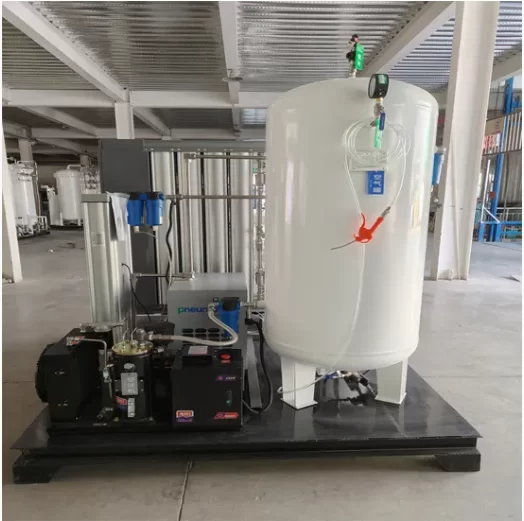


The Small Oxygen Generator O2 Concentrator is a compact, efficient, and reliable device for continuous production of medical-grade oxygen. Suitable for homecare, clinics, and small medical facilities, it delivers high-purity oxygen for respiratory therapy and patient care.
Our Small Oxygen Generator O2 Concentrator uses advanced Pressure Swing Adsorption (PSA) technology to extract and concentrate oxygen from ambient air. Designed for portability and ease of use, this compact concentrator delivers an effective oxygen supply with purity typically up to 90–93% (reference value), making it suitable for a range of medical and therapeutic applications.
Built with energy efficiency and low-noise operation in mind, the unit is ideal for environments that require a reliable, continuous oxygen supply—without the bulk and logistics associated with traditional oxygen cylinders. Its user-friendly interface and compact design support convenient installation in homes, clinics, and ambulatory settings.
The concentrator is equipped with integrated filtration systems to help remove dust and impurities, supporting clean, breathable oxygen output. Its modular construction allows for maintenance and component replacement, helping to promote long-term reliability and serviceability.
Home Healthcare:
Supports patients who require oxygen therapy at home, helping improve quality of life with a portable, quiet, and easy-to-use device.
Small Clinics and Medical Centers:
Provides a reliable oxygen source for outpatient respiratory therapy and minor medical procedures.
Emergency and Ambulance Services:
Delivers a compact oxygen supply solution for on-the-go medical emergencies and patient transport.
Rehabilitation Facilities:
Helps support respiratory therapy during patient recovery and rehabilitation processes.
Travel and Mobile Use:
The portable design enables patients to maintain mobility and independence while traveling.
Product Details
Customization: |
Available |
After-sales Service: |
1 Year |
Warranty: |
1 Year |
|
Model NO. |
1-100 cubic modular oxygen |
Certification |
ISO9001 |
||
|
Noise Level |
70 (dB) |
Voltage |
380V |
||
|
Purity |
90-96% |
Operational Principle |
Molecular Sieve Pressure Swing |
||
|
Drug and Equipment Approval |
Ji Xi Zhu Zun 20232080171 |
Usage |
Oxygen Production |
||
|
Performance |
Energy Saving |
Extraction Gas Status |
Oxygen |
||
|
Transport Package |
Wooden Box |
Specification |
1-100 cubic meters |
||
|
Trademark |
Lixin Zhexing |
Origin |
Hebeihengshui |
||
|
HS Code |
8419601900 |
Production Capacity |
500 Sets/Year |
||
Product Description
The main structure of the product
This product mainly consists of an oxygen generator, an air storage tank, an oxygen storage tank, a flow meter, and other components. These components are connected to each other via gas piping. The oxygen production host comprises a chassis; an air compression system (air compressor, pressure sensor); a gas source purification system (refrigerated dryer, suction dryer, filter); a medical molecular sieve adsorption and separation system (adsorption tower, molecular sieve, electronic drain valve); a control system (PLC controller, contactor, touch screen); and a monitoring and alarm system (oxygen analysis module), among other components. Gas pipes and cables connect the systems to support overall operation.
Optimizing Oxygen Therapy with the Small Oxygen Generator O2 Concentrator
Optimized oxygen therapy is essential for patients with respiratory conditions, post-surgical recovery needs, or chronic illnesses such as COPD, asthma, or pulmonary fibrosis. The small oxygen generator O2 concentrator provides an effective and reliable oxygen supply for use in hospitals, clinics, and home care settings. With appropriate use, optimized oxygen therapy can improve patient comfort, support recovery, and enhance overall quality of life.
One key benefit of this small oxygen concentrator is consistent oxygen delivery. Unlike oxygen cylinders that require frequent replacement, small concentrators generate oxygen on-site from ambient air. This helps support continuous therapy and reduces the risk of supply interruptions during treatment. Reliable oxygen flow and accurate concentration levels are important for therapeutic effectiveness, particularly for patients requiring long-term oxygen therapy.
Adjustable flow settings further support oxygen therapy optimization. Caregivers or patients can set the oxygen flow according to individual medical prescriptions, helping ensure patients receive the required oxygen amount and minimizing the risks associated with over- or under-supply.
Portability and compact design also support optimized therapy. The concentrator can be conveniently moved between rooms and transported for travel, enabling patients to continue therapy with less disruption. Lightweight yet durable construction helps maintain reliability and performance during everyday use.
Low-noise operation and user-friendly controls support patient compliance. The concentrator is designed to operate quietly, making it suitable for home use and for use over extended periods. The simple control interface and clear indicators make the device easier for patients and caregivers to operate safely and efficiently.
Integrated monitoring and safety functions contribute to therapy optimization. Alarm functions for low oxygen output, filtration-related maintenance prompts, and automatic shutoff mechanisms help support safe operation while maintaining therapy continuity. Depending on the configuration, certain models may offer options for monitoring support by healthcare providers.
In summary, optimizing oxygen therapy with the small oxygen generator O2 concentrator relies on a reliable oxygen supply, adjustable flow control, portability, quiet operation, and integrated safety functions. By selecting the right concentrator and using it appropriately, patients and caregivers can achieve safe, effective, and more comfortable oxygen therapy outcomes.
Future Trends for the Small Oxygen Generator O2 Concentrator in Healthcare
The small oxygen generator O2 concentrator is increasingly becoming an important tool in modern healthcare. As demand grows for home care solutions, improved hospital efficiency, and more flexible patient management, the future of these devices will be driven by innovation, digital integration, and patient-focused design. Understanding these trends can support hospitals, clinics, and caregivers when selecting or upgrading oxygen therapy equipment.
One emerging trend is continued improvement in portability and compact design. Future small oxygen concentrators are expected to become lighter, quieter, and more energy-efficient, helping patients remain mobile while maintaining therapy with minimal interruption. Portability remains particularly valuable for home care, outpatient settings, and emergency use.
Smart monitoring and digital integration are also expected to play a larger role. Next-generation systems may provide enhanced monitoring capabilities, improved flow management, and connectivity options to support remote oversight and timely clinical decisions based on device-reported information.
Energy efficiency and sustainability will remain key focus areas. Advances in adsorption components and compressor optimization can help reduce power consumption while maintaining high-purity oxygen output, lowering operating costs for healthcare providers and supporting more sustainable use in home care environments.
Personalized therapy and customization are likely to become more common. Future designs may support more tailored oxygen delivery based on patient needs, improving outcomes and strengthening patient adherence to therapy routines.
Finally, manufacturers will continue prioritizing durability, reliability, and reduced maintenance requirements. Modular construction, practical filtration replacement support, and improved diagnostic features can help ensure uninterrupted operation and reduce the need for frequent technical intervention.
In conclusion, future developments for small oxygen generator O2 concentrators in healthcare will be shaped by improved portability, enhanced monitoring support, energy efficiency, greater therapy personalization, and low-maintenance design—enabling safer, more convenient, and more effective oxygen therapy for patients, caregivers, and healthcare providers.
Comparing Features and Performance of the Small Oxygen Generator O2 Concentrator
When selecting a small oxygen generator O2 concentrator, it is important to understand differences in features and performance to ensure safe and effective oxygen therapy. Concentrators vary in oxygen purity, flow control options, noise levels, portability, and supporting technologies, all of which influence suitability for home or clinical use.
Oxygen purity and flow control are core performance considerations. High-purity oxygen, with typical performance referenced in this listing, supports effective therapy. The concentrator provides adjustable flow settings, enabling oxygen delivery to be matched to individual medical prescriptions and helping ensure safe, consistent treatment.
Portability and size are key differentiators for small concentrators versus larger systems. Compact, lightweight designs support home use and mobility, while stationary units are generally used for higher-demand environments. Practical portability can help patients maintain therapy routines across daily activities.
Noise levels and overall user comfort are also important. Quiet operation supports patient compliance, particularly during sleep and extended therapy sessions. Clear controls and user-friendly operation further help reduce the likelihood of operational errors.
Safety features and monitoring support dependable use. Modern concentrators typically include alarms for abnormal operation conditions, filtration-related maintenance prompts, and automatic protective functions. Some configurations may further support device oversight for healthcare providers.
Energy efficiency and maintenance requirements can influence long-term performance and total ownership cost. Efficient operation helps reduce electricity consumption, while modular construction and manageable filter servicing support practical maintenance routines.
In summary, comparing features and performance of small oxygen generator O2 concentrators involves evaluating oxygen purity, adjustable flow control, portability, noise level, safety and monitoring functions, energy efficiency, and available support technologies. By carefully selecting the right unit, patients and healthcare providers can support reliable, effective, and user-friendly oxygen therapy tailored to individual needs.